Projects
A collection of my projects throughout my journey.
2026 competition robot
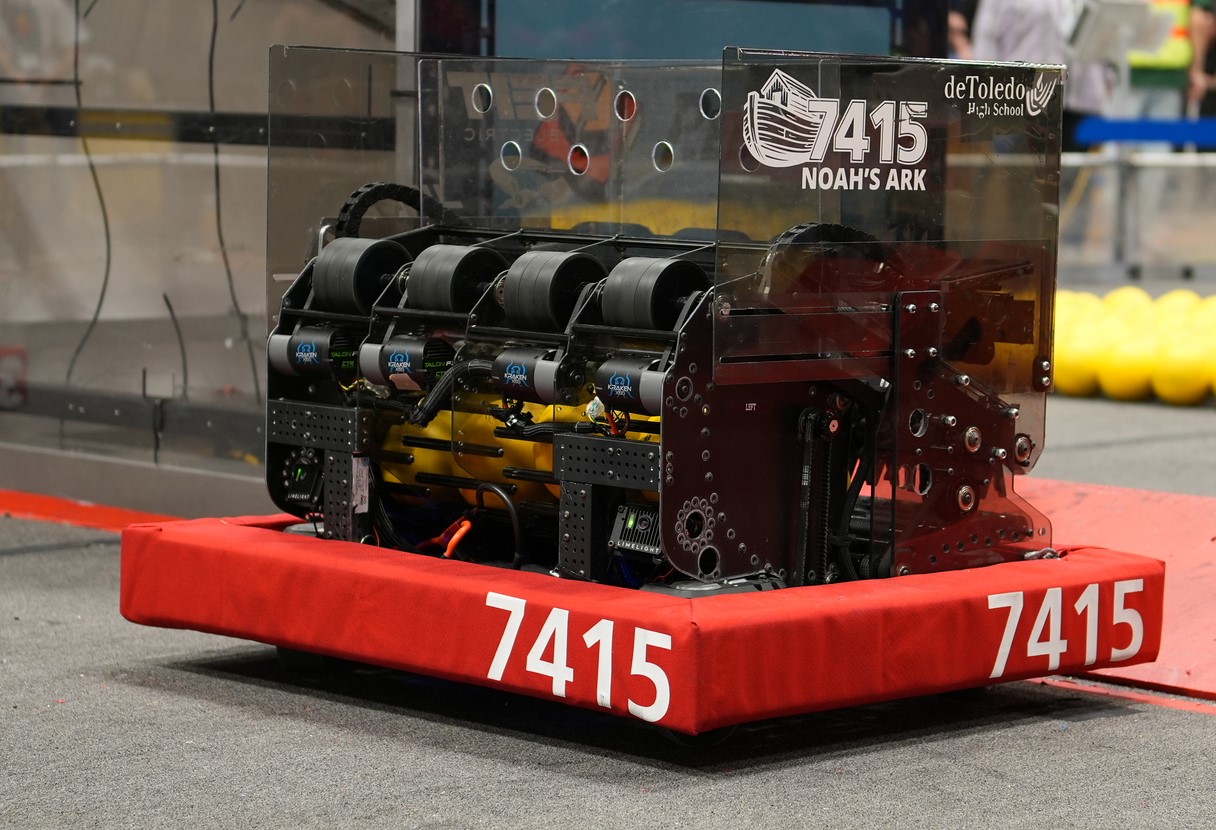
I led the mechanical and code teams that built our 2026 robot, and I wrote over 90% of its code. This was my first ever major coding project, and I had to teach myself from scratch.
Features:
- Trapazoidal PID controller for linear intake
- Finite state machine to determine robot states for ease of readability and changeability
- Dynamic current limits based on current robot states
- Bang Bang controller for the shooter, prioritizing spinup and recovery time
- Four independently powered shooters based on the distance from the scoring location and each shooter independently
- Two cameras with Kalman filters to get accurate robot pose down to the inch
- Telemetry values logging motor values for post-match debugging
- Innovation in Control Award, World Championships, for the top innovative programming in the world
- Ranked 7th in california on district points
- 48th best Autonomous Performance in the world
- Event Finalists, Southern California State Championships
- Event winners, Glendale District Event.
- Industrial Design Award, Event Finalists, Ventura District Event
- Event Finalists, Tidal Tumble Regional Event.
Awards
2026 Summer Cad Challenge robot
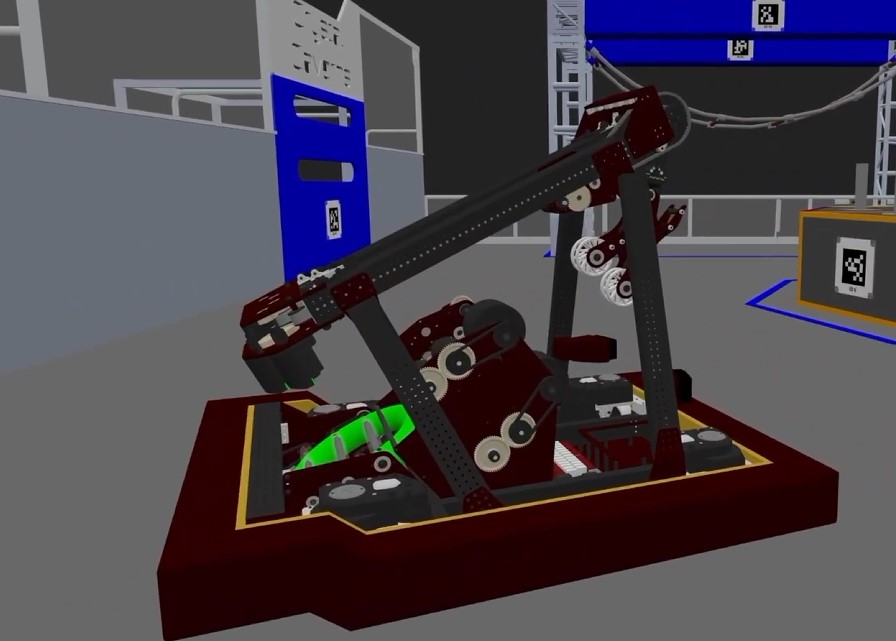
This was an offseason CAD challenge that some of our team members participated in. As an extra challenge, I decided to program the robot as if it were a real competition robot. This was my first time ever using a 3D simulator and physics simulation in my robots. The whole code was completed in 10 days. I also took it upon myself to create a mini youtube reveal video showcasing both the CAD and the Simulator
Features:
- Multi-Stage elevator with a Trapazoidal PID controller
- Finite state machine to determine robot states for ease of readability and changeability
- Complex handoff sequence that required coordnation between three subsystems
- Full 3D visualization of the robot, its components, and game pieces
- Full physics simulation including collision and scoring of game pieces
- Cycloidal intake for compact reduction
- Finite state machine to determine robot states for ease of readability and changeability
- Dynamic current limits to protect battery life
- Accurate physics simulation of components to eliminate physical tuning
- Uses motor current spike detection as a sensor to change robot behavior
- 65% reduction to ensure the motor has enough torque to climb
- gear and belt powertrain to ensure both wheels spin at the correct speed
- small and compact frame
- linear slides to encorperate with the rest of the robot
- National semi-finalists, ranked in the top 30 globally.
2026 Offseason Competition Robot
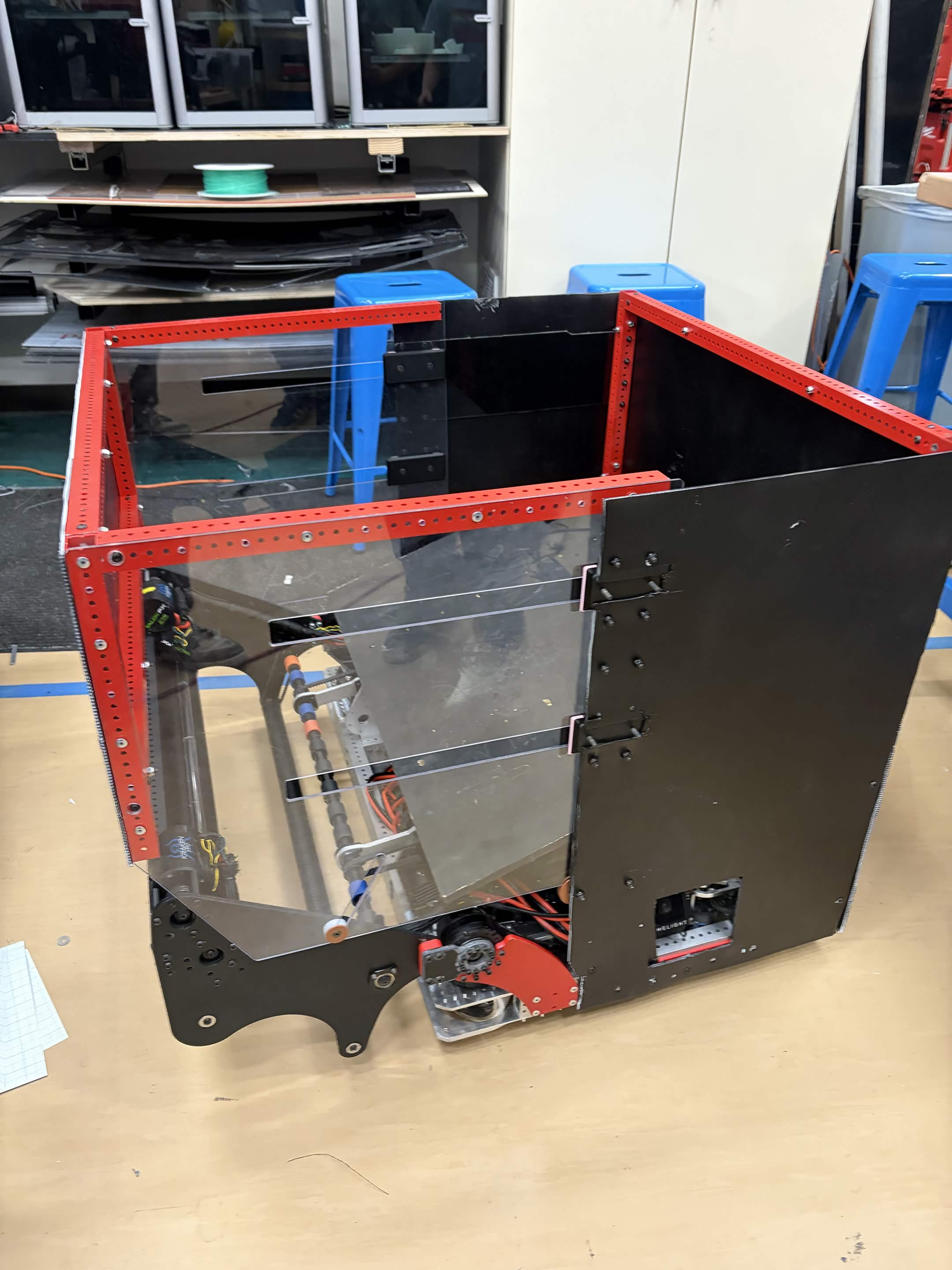
An offseason robot built for the 2026 season. The team was given one month of limited meetings to fully design, program, and build the robot (instead of the typical 3 months). This meant that the robot had to be fully programmed before it was created physcially. Using physics based mechanism simulation, I was able to tune PID values before getting the robot, leading to no tuning needing to be done in real life.
Features:
Spirulina Sustainability Project
I’m designing and building a robotic mechanism to improve the viability and sustainability of spirulina, a superfood provided to food-scarce communities in Uganda.
The mechanism will be introduced in Uganda this year, with a goal of improving sustainability 10-fold.
Features:
Battery powered servo to spin at a specific rate, based on what the user requests.
watertight housing to protect internal components from moisture and debris.
2025 VCC Climber mech
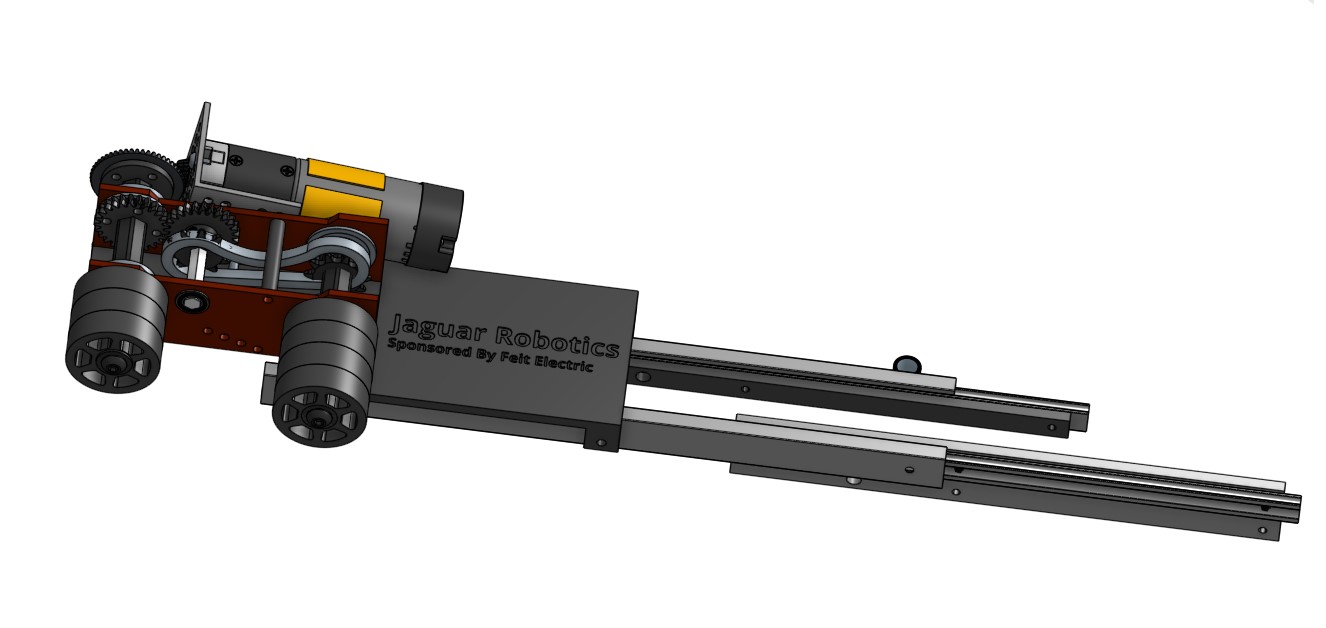
In the summer of 2025, My team did a offseason Cad challenge. My component, the climber, was a backpack climb based on FRC team 2056 in 2010. It consisted of a pair of complient wheels that would grip on and climb up a 1 inch by 1 inch bar. The competition judges said that it was their intended solution, and that not many teams figured out how to properly climb. To prototype, I built the design out of legos to ensure it would work.
Features:
StellarXplorers National Space Design Competition
This NASA and Air and Space Forces Association sponsored competition gives teams a design prompt, such as building the most monetarily efficient satellite. As a core member of a 6-person team, I used Excel and Desmos to solve orbit planning, satellite component, and launch operations scenarios. I used excel to create parametric spreadsheets that allowed me to complete the semifinals round (usally requires 2-3 people) solo and got perfect points.
Features
Fully parametric spreadsheet that encorperates all design parameters, including environmental conditions, launch date, fines, and fuel consumption.
Auto calculated the score that I would get, meaning no manual calculation required.